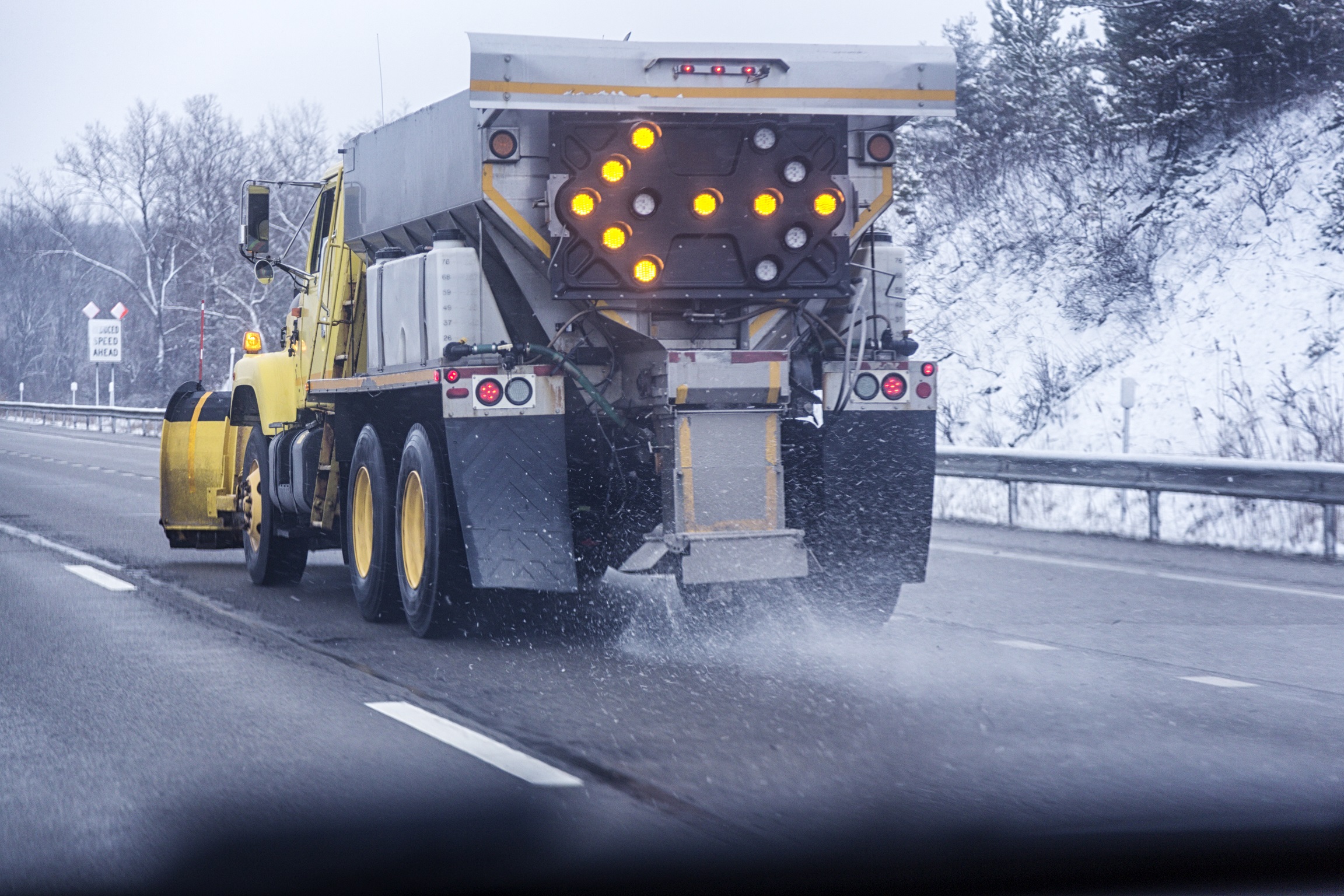
Every winter in New Jersey, the roads turn white — not just from snow, but from salt.
At the first sign of freezing temperatures, state and local road services aggressively treat highways, city streets, and parking lots with salt and chemical de-icers. While this is essential for road safety, it creates one of the harshest environments your vehicle will face all year.
At GDO Automotive, winter is when we see long-term damage begin — often long before the owner realizes it.
Why New Jersey Uses So Much Road Salt
New Jersey relies heavily on:
- Sodium chloride (rock salt)
- Brine solutions
- Chemical de-icers
These materials:
- Lower the freezing point of water
- Prevent ice formation
- Improve traction quickly
The downside is that when salt combines with moisture and fluctuating temperatures, it becomes extremely corrosive — especially to metal components.
What Road Salt Does to Your Vehicle
1. Undercarriage Corrosion — The Silent Killer
Salt-water spray clings to:
- Subframes
- Suspension components
- Control arms
- Brake lines
- Exhaust systems
Once corrosion begins underneath the vehicle, it spreads quietly. By the time rust becomes visible, structural and mechanical damage may already be significant.
2. Brake System Damage
Salt accelerates corrosion on:
- Brake calipers
- Rotors
- Parking brake mechanisms
- ABS sensors
This often leads to:
- Uneven braking performance
- Sticking calipers
- Premature brake wear
- Expensive spring repairs
3. Suspension and Steering Wear
Metal exposed to salt and moisture can result in:
- Seized bolts and hardware
- Rusted bushings
- Cracked mounts
- Alignment and handling issues
This is why many vehicles develop new noises or vague steering feel after winter.
4. Body Panels and Paint Damage
Road salt aggressively attacks vulnerable areas such as:
- Rocker panels
- Wheel arches
- Door edges
- Trunk seams
Once paint protection is compromised, corrosion often spreads from the inside out — especially on daily-driven vehicles in New Jersey winters.
5. Electrical and Sensor Issues
Modern vehicles rely on sensitive electronics and wiring.
Salt exposure can cause:
- Corroded connectors
- Random fault codes
- Intermittent electrical issues
- Sensor failures
These problems are often the most difficult — and costly — to diagnose.
Protecting Your Vehicle Before Winter
Paint Protection Film (PPF)
Paint Protection Film creates a physical barrier between your vehicle and winter road hazards.
PPF:
- Absorbs impacts from salt and road debris
- Protects high-risk areas from stone chips
- Preserves factory paint in exposed zones
Key protection areas include:
- Front bumper and hood
- Fenders
- Rocker panels
- Areas behind the wheels
Ceramic Coating
Ceramic coatings provide chemical resistance for painted surfaces.
They:
- Create a hydrophobic barrier
- Reduce salt and contaminant adhesion
- Slow clear-coat degradation
- Help maintain paint condition throughout winter
Proper surface preparation is critical for long-term performance.
Paint Correction Before Winter
Applying protection over damaged or oxidized paint reduces effectiveness.
A professional paint correction:
- Removes micro-scratches and surface defects
- Restores clear-coat integrity
- Creates an ideal surface for PPF or ceramic coatings
- Extends the lifespan of protective treatments
Post-Winter Vehicle Inspection: Why It Matters
After winter, it’s essential to assess how your vehicle handled months of salt exposure.
A proper post-winter inspection should focus on:
- Suspension components
- Brake system condition
- Underbody hardware and fasteners
- Paint and clear-coat condition
Identifying early signs of wear allows issues to be addressed before they turn into major repairs.
Conclusion
Winter in New Jersey is unavoidable — and so is road salt.
While salt plays a critical role in road safety, it also creates one of the most aggressive environments for vehicles, accelerating mechanical wear and damaging paint protection.
Preparing your vehicle before winter and performing a thorough inspection afterward helps minimize long-term damage, preserve overall condition, and protect resale value. Addressing vulnerabilities early is always more effective — and less expensive — than dealing with the consequences later.