GDO Automotive · Technical Insight
When drivers talk about car upgrades, the conversation usually starts with horsepower, suspension, or brakes. But in reality, tires are the only part of your car that actually touches the road — and they affect everything from fuel economy to braking distance, steering feel, and overall driving confidence.
At GDO Automotive, we see the same pattern every day: cars with solid engines and quality suspension, but tires that simply don’t match how the vehicle is actually driven in the real world.
Why Tire Choice Is Not One-Size-Fits-All
There is no universal “best tire.” What works perfectly for one driver can be completely wrong for another.
The right tire depends on multiple real-world factors:
- How the car is driven (daily commuting, highway use, spirited driving)
- Local climate and seasonal temperature changes
- Road conditions and pavement quality
- Vehicle weight, power output, and drivetrain
- Alignment settings and suspension condition
- Driver expectations: comfort, grip, longevity, or overall balance
Choosing tires based only on brand recognition or price often results in increased road noise, poor traction, uneven wear patterns, and money spent without real improvement.
Common Tire Types — and Who They’re Really For
All-Season Tires
All-season tires are the most common choice for daily-driven vehicles.
They are designed to provide a balanced mix of comfort, durability, and usable grip across a wide range of conditions.
Strengths:
- Comfortable ride quality
- Long tread life
- Predictable behavior in wet conditions
- No need for seasonal tire changes
Limitations:
- Reduced grip during aggressive driving
- Compromised performance in extreme heat or cold
For most daily BMWs, commuters, and delivery vehicles, all-season tires remain a practical and cost-effective solution when properly matched to the car.
Summer Performance Tires
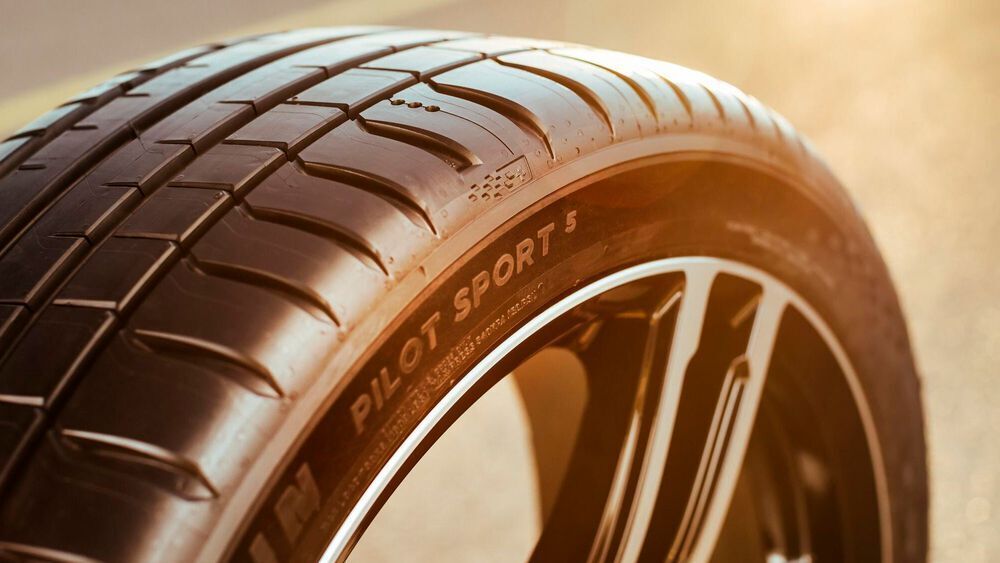
Summer tires are designed with grip and responsiveness as the priority.
They use softer rubber compounds and stiffer sidewalls to improve steering response and braking performance in warm conditions.
Strengths:
- Strong dry and wet traction
- Sharper steering feel
- Improved braking at speed
Limitations:
- Faster wear compared to all-season tires
- Poor performance in cold temperatures
- Not suitable for winter use
These tires are ideal for drivers who value handling and drive enthusiastically during warmer months.
Ultra-High-Performance / Track-Oriented Tires
These tires are built for maximum grip, not daily comfort.
They are highly sensitive to temperature, alignment, and suspension condition.
Strengths:
- Exceptional traction
- Precise and immediate steering feedback
Limitations:
- Short service life
- Increased road noise
- Rapid wear if alignment is not perfect
They are best suited for weekend cars, performance builds, and track-focused setups — and are rarely practical for everyday driving.
What Most Drivers Overlook
Many tire-related complaints are not caused by the tire itself.
Common underlying issues include:
- Incorrect alignment settings
- Worn suspension components
- Improper tire pressure
- Staggered wheel setups without a clear rotation strategy
Installing expensive tires on a vehicle with poor alignment or worn suspension can destroy them in just a few thousand miles.
Real-World Driving vs. Marketing Claims
Tire marketing focuses on controlled testing environments:
- Grip numbers
- Lab measurements
- Ideal road conditions
Real-world driving is very different:
- Potholes and uneven pavement
- Heat cycles from daily use
- Stop-and-go traffic
- Long highway cruising
- Inconsistent road surfaces
That’s why two drivers using the same tire model can have completely different experiences.
How We Approach Tire Selection at GDO Automotive
We don’t simply recommend a brand or model.
Our approach considers the complete vehicle setup:
- Driving habits and usage patterns
- Suspension condition and geometry
- Alignment specifications
- Local climate and road conditions
The goal is not to sell the most expensive tire — but to select the right tire for how the car is actually used.
The Bottom Line
Tires have a direct impact on:
- Safety
- Comfort
- Fuel efficiency
- Steering precision
- Overall confidence behind the wheel
If your car feels unstable, noisy, or wears tires too quickly, the problem may not be the tire itself — but how it matches your setup and driving style.
Good tires on the wrong setup will never perform well.
The right tires on a properly prepared car change everything.