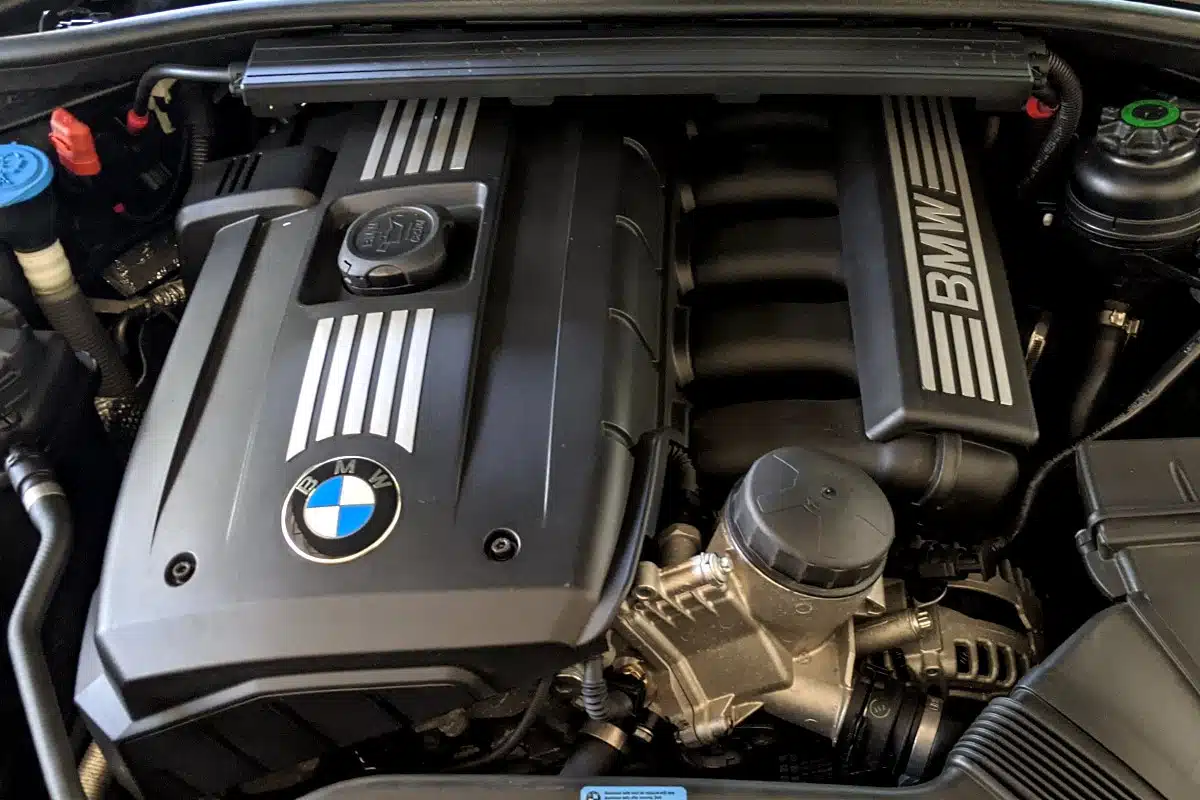
When it comes to modern BMW engine reliability, three names always come up: the N52, B48, and B58.
These engines represent three different eras of BMW engineering — naturally aspirated simplicity, modern turbo efficiency, and a new-generation turbo inline-six with serious structural strength.
Below is a complete service-based breakdown of their design, common issues, and real-world longevity.
1️⃣ BMW N52 — The Last “True” Naturally Aspirated Inline-Six
Production Years: 2004–2015
Configuration: 3.0L inline-6, naturally aspirated
Common Applications: BMW E90 328i, E60 528i, X3 3.0si
The N52 is often considered the last traditional BMW inline-six before turbocharging became standard across the lineup.
Pros
- No turbocharger (lower thermal stress)
- Simple mechanical design
- Predictable maintenance costs
- Smooth, linear power delivery
Common Issues
- Oil leaks (valve cover gasket, oil filter housing gasket)
- Electric water pump failure (typically 80k–120k miles)
- VANOS solenoid faults
- Aging plastic cooling components
Real-World Longevity
With oil changes every 5,000 miles and proper cooling system maintenance, the N52 can easily exceed 200,000 miles.
This engine is about mechanical simplicity and consistency. It remains an excellent option for owners who want long-term reliability without turbo complexity.
2️⃣ BMW B48 — Modern Turbocharged Efficiency
Production Years: 2014–Present
Configuration: 2.0L turbocharged inline-4
Common Applications: BMW F30 330i, G30 530i
The B48 replaced the problematic N20 and proved to be significantly more reliable thanks to improved internal design and updated timing chain architecture.
Pros
- Modern modular engine architecture
- Strong balance of power and fuel efficiency
- Improved timing chain design vs N20
- Excellent daily-driving performance
Considerations
- Turbocharged engines operate at higher temperatures
- Sensitive to extended oil change intervals
- Cooling system must be maintained carefully
Real-World Longevity
With disciplined maintenance (5,000–6,000 mile oil intervals), the B48 commonly reaches 150,000–200,000 miles.
It offers a solid middle ground between efficiency and performance — but maintenance discipline is critical.
3️⃣ BMW B58 — The New Benchmark for Turbo Inline-Six Durability
Production Years: 2015–Present
Configuration: 3.0L turbocharged inline-6
Common Applications: BMW F30 340i, G30 540i
The B58 is widely considered one of BMW’s best modern engines and a major improvement over earlier turbo sixes.
Engineering Highlights
- Closed-deck engine block
- Forged crankshaft
- Integrated exhaust manifold
- Advanced thermal management system
Pros
- Strong internal design
- Excellent power delivery
- High tuning potential
- Proven reliability when maintained properly
Considerations
- Complex cooling system
- Higher repair costs than N52
- Requires high-quality oil and strict service intervals
Real-World Longevity
With oil changes every 5,000 miles and proper cooling management, the B58 can exceed 200,000 miles.
It has proven significantly more durable than earlier turbocharged six-cylinder engines and currently sets the benchmark for modern BMW reliability.
Real-World Ownership Comparison
| Engine | Simplicity | Ownership Cost | Performance Potential | Longevity |
|---|---|---|---|---|
| N52 | High | Lower | Moderate | 200k+ miles |
| B48 | Medium | Moderate | Moderate | 150k–200k miles |
| B58 | Medium | Above Average | High | 200k+ miles |
Which One Should You Choose?
Choose N52 if you want simplicity and predictability.
Great for long-term ownership without turbo stress.
Choose B48 if you want balance.
Modern efficiency with solid performance for daily use.
Choose B58 if you want power with durability.
The strongest modern BMW inline-six platform available today.
GDO Automotive Conclusion
All three engines can be reliable.
The biggest difference isn’t the engine — it’s maintenance.
✔ Oil every 5,000 miles
✔ Cooling system inspections
✔ Preventive repairs before failure
Follow those principles, and any of these engines can serve you well long-term.