Built on Service. Not Assumptions.
Hybrid technology in BMW vehicles was never intended to be a simple fuel-saving feature.
Instead, these systems are engineered to enhance performance—delivering faster torque response, smoother acceleration, and improved driving dynamics under real-world conditions.
But that performance-first approach comes with increased system complexity—and a need for more precise service.
At GDO Automotive, BMW hybrid platforms are treated not as economy upgrades, but as highly integrated performance systems.
A Different Kind of Hybrid System
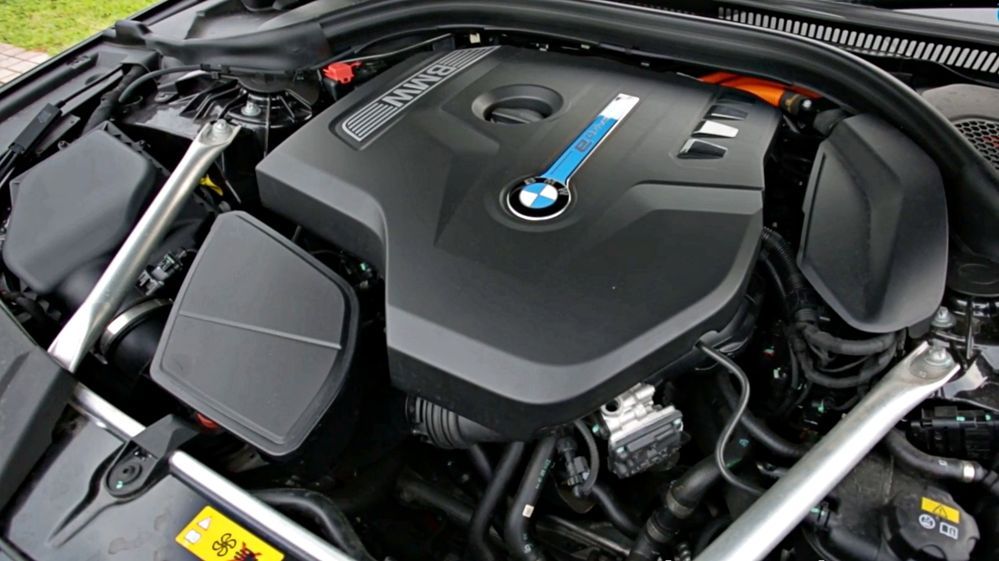
BMW hybrid architectures—especially those built around B48/B58 engines and eDrive platforms—are designed to support:
- Instant torque delivery
- Reduced turbo lag
- Seamless power transitions
- Regenerative braking efficiency
Unlike conventional hybrids, these systems are meant to operate dynamically—not just under light load, but in everyday driving conditions.
Real-World Driving: Where Wear Begins
In controlled conditions, BMW hybrid systems perform exactly as designed.
However, daily driving—especially short trips, stop-and-go traffic, and frequent load changes—introduces:
- Constant switching between electric and combustion modes
- Repeated thermal cycling across components
- Increased demand on cooling and control systems
Over time, this can lead to subtle performance and efficiency losses that often go unnoticed.
Common early signs include:
- Engine engaging more frequently than expected
- Reduced electric driving range
- Slight hesitation during acceleration
- Cooling fans running longer after shutdown
These are not failures—but they are early indicators of system imbalance.
Battery Performance: Beyond Charge Levels
BMW hybrid batteries are built for power delivery, not just energy storage.
In higher mileage or inconsistent usage scenarios, gradual changes may occur:
- Less consistent electric assist
- Uneven charge and discharge behavior
- Increased internal resistance under load
These issues rarely trigger warning lights—but they directly affect:
- Acceleration response
- Fuel efficiency
- Overall drivability
At GDO Automotive, battery performance is evaluated under real driving load—not just static testing.
Transmission Integration: Precision Matters
BMW hybrid systems rely on tight coordination between the electric motor and transmission.
This enables:
- Immediate torque response
- Smooth power blending
- Responsive acceleration
But as components wear, drivers may notice:
- Delayed torque delivery
- Inconsistent throttle response
- Less smooth transitions between power sources
These are early-stage system deviations—not isolated faults.
Cooling Systems: The Critical Factor
Thermal management plays a central role in hybrid performance.
BMW systems depend on multiple cooling circuits:
- Engine cooling
- Hybrid battery cooling
- Power electronics (inverter) cooling
Under real-world conditions, especially in urban driving, this can lead to:
- Increased system load
- Reduced cooling efficiency over time
- Higher operating temperatures
Even minor cooling inefficiencies can impact both performance and long-term reliability.
Fuel Economy Is a Signal—Not the Goal
BMW hybrids are not designed to maximize MPG alone.
In these platforms, fuel efficiency is a byproduct of system balance.
A noticeable drop in fuel economy can indicate:
- Reduced hybrid assist performance
- Fuel system adaptation issues
- Thermal management inefficiencies
Even a small MPG decrease can reflect underlying performance loss—long before a fault code appears.
A Smarter Service Approach
Standard maintenance schedules often don’t account for how hybrid systems behave in real-world conditions.
A more effective strategy includes:
- Live data diagnostics under load
- Monitoring hybrid assist during acceleration
- Full thermal system evaluation
- Maintenance intervals based on actual usage patterns
This is not about more service—it’s about more accurate service.
Built for Performance. Maintained with Precision.
BMW hybrid systems follow a different philosophy—where efficiency supports performance.
But that also means long-term reliability depends on how well the system is understood and maintained.
These systems rarely fail suddenly—they gradually drift out of balance.
And by the time a warning light appears, performance has often been reduced for thousands of miles.
Final Thoughts
BMW hybrid platforms offer a refined balance of power and efficiency—but they require a higher level of service awareness.
Small, early-stage inefficiencies can develop into larger issues if left unaddressed.
For drivers who rely on their hybrid daily,
understanding the system is just as important as driving it.