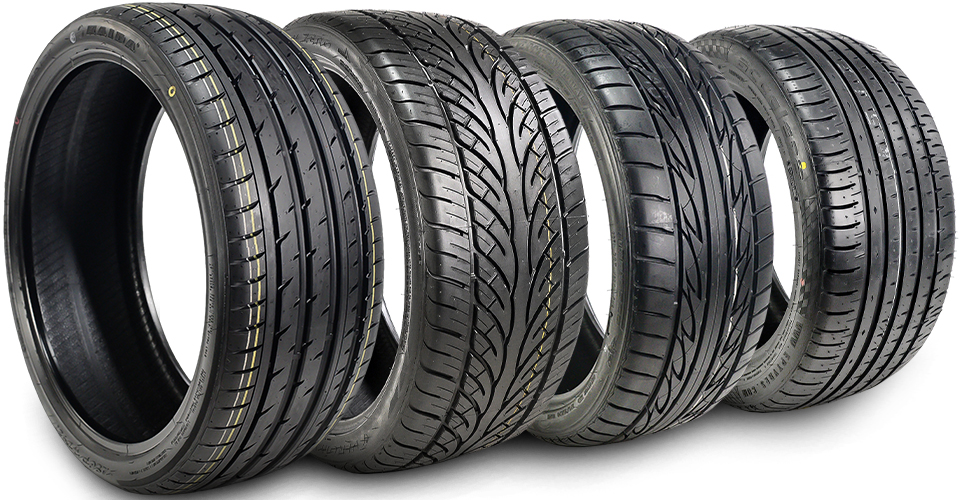
Many drivers assume that all-season tires are the ideal year-round solution, while others continue using winter tires long after the snow has melted. However, as temperatures rise, choosing the right tire can significantly improve safety, handling, braking performance, and even fuel efficiency.
Summer Tires Are Engineered for Warm Weather
Summer tires are specifically designed to perform in temperatures above 45°F (7°C). Their specialized rubber compounds remain firm enough to deliver exceptional grip on both dry and wet pavement while maximizing steering precision and road feedback.
Unlike winter tires, which are engineered to stay flexible in cold temperatures, summer tires provide greater stability, responsiveness, and control in warm-weather driving conditions.
Superior Handling and Cornering Performance
One of the biggest advantages of summer tires is their ability to generate higher levels of traction during spirited driving, high-speed cornering, and emergency maneuvers.
Whether you drive a BMW M model, Audi S or RS vehicle, Mercedes-AMG, or simply enjoy a more engaging driving experience, summer tires offer noticeably sharper steering response and increased confidence behind the wheel.
Shorter Braking Distances
Summer tires typically deliver shorter stopping distances on both dry and wet roads compared to all-season and winter tires.
Their advanced tread patterns and performance-focused rubber compounds create a larger and more effective contact patch with the road surface, helping drivers maintain control and reduce the risk of accidents.
Why Winter Tires Shouldn’t Be Used in Summer
Many drivers postpone switching from winter tires to avoid the inconvenience or expense. Unfortunately, winter tires can wear significantly faster in warm weather.
The softer rubber compound becomes overly flexible as temperatures rise, which can reduce handling performance, increase braking distances, and accelerate tread wear. In some cases, a set of winter tires can lose a substantial portion of its usable lifespan during a single summer season.
How Do All-Season Tires Compare?
All-season tires are designed to provide acceptable performance across a wide range of weather conditions. While they offer convenience and versatility, they are ultimately a compromise.
Although all-season tires perform adequately in most situations, they cannot match the dry-road grip, wet-weather traction, steering precision, or braking performance of a dedicated summer tire.
The Bottom Line
If you want the best performance, safety, and driving experience during the warmer months, summer tires are the clear choice.
While all-season tires provide year-round convenience and winter tires remain essential for cold-weather driving, neither can match the capabilities of a properly selected summer tire when temperatures climb.
At GDO Automotive, our team can help you choose the ideal tire setup for your vehicle, driving habits, and performance goals—ensuring maximum safety, comfort, and confidence throughout the season.